
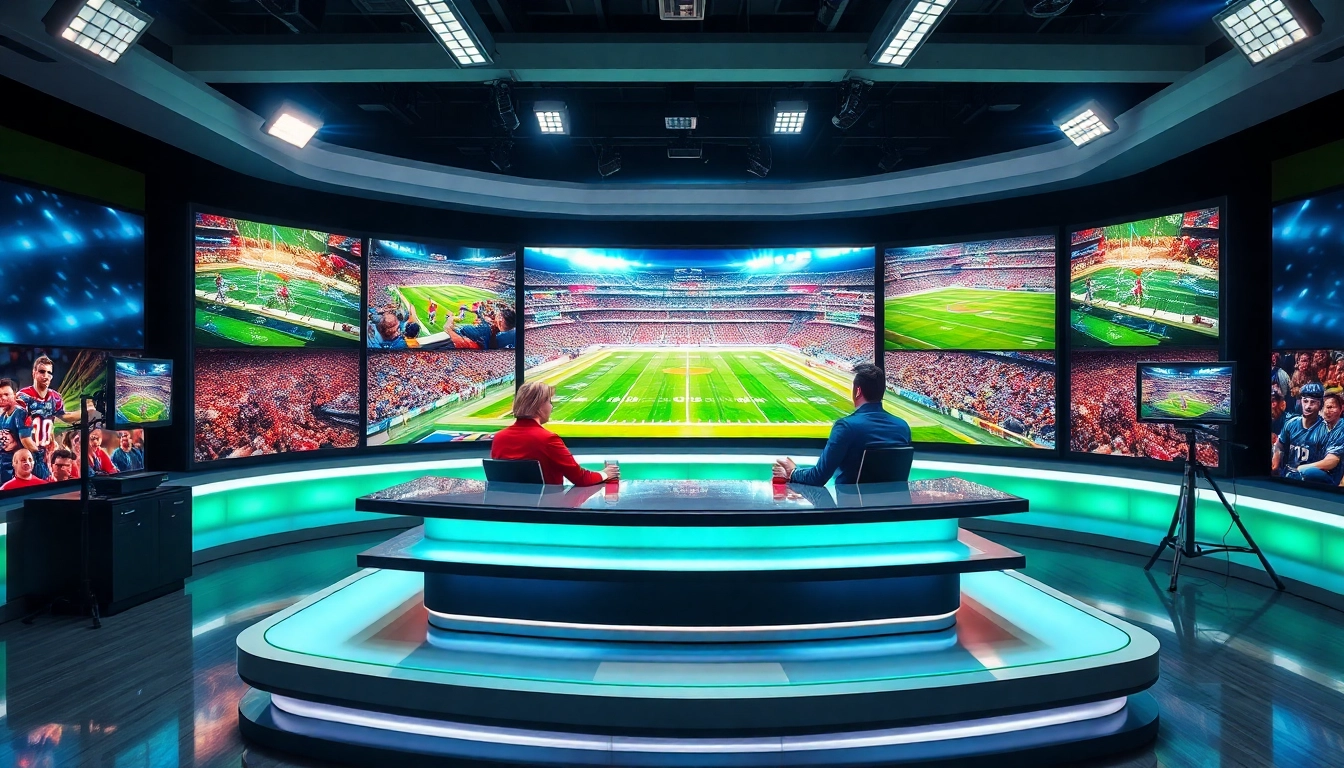
Understanding the Fundamentals of Sports Broadcasting
Introduction to Sports Broadcasting
Sports broadcasting is a dynamic field that combines various elements of media technology and storytelling, designed to bring live sporting events to audiences across multiple platforms. This medium is crucial for fans who crave real-time updates and coverage of their favorite games. From television to streaming services, the reach of Sports Broadcasting has transformed the way fans consume sports content. In today’s digital age, understanding the intricacies of this industry is essential for anyone looking to succeed in it. This discussion will delve into the components of Sports Broadcasting, including roles, technology, and audience engagement.
Key Roles in Sports Broadcasting
Within the ecosystem of Sports Broadcasting, various roles are integral to ensuring that fans receive comprehensive and engaging coverage of sports events. Each position contributes uniquely, from on-air personalities to behind-the-scenes technicians. Key roles include:
- Sportscasters: The primary faces of broadcasting, these professionals deliver live commentary and analysis, engaging viewers with their dramatic storytelling skills.
- Producers: They oversee the production of broadcasts, ensuring that all elements—from camera angles to audio—align seamlessly to enhance viewer experience.
- Cameramen and Technicians: These individuals are responsible for capturing visuals and maintaining the technical equipment required for a successful broadcast.
- Researchers and Analysts: Critical for providing insightful background information and statistics, these professionals support sportscasters by delivering in-depth knowledge and context.
Understanding these roles will offer insights into the collaborative effort required in Sports Broadcasting.
Technological Advances in Sports Broadcasting
Advancements in technology have dramatically transformed Sports Broadcasting in recent years. Innovations such as high-definition video, augmented reality, and interactive platforms have elevated the viewer experience. For example:
- High-Definition Broadcasting: This technology allows for crystal-clear visuals that enhance the viewing experience, making every moment of the game visible and immersive.
- Augmented Reality (AR): AR integrates digital elements into the live broadcast, helping analysts and viewers alike visualize complex plays or statistics in real time.
- Streaming Services: Digital platforms have shifted traditional broadcasting methods, allowing audiences to watch live events on-demand, regardless of their location.
As technology continues to evolve, so too will the strategies and methodologies in Sports Broadcasting, making it essential for professionals in the field to stay updated on new tools and platforms. Sports Broadcasting thrives on innovation and adaptation.
Essential Skills for Sports Broadcasting Professionals
Communication Techniques in Sports Broadcasting
Effective communication in Sports Broadcasting is paramount. Broadcasters must convey complex information clearly, engaging audiences while maintaining high excitement levels. Key techniques include:
- Articulation: Clear and concise speech is crucial, enabling viewers to absorb critical information quickly.
- Empathy: Understanding and relating to the audience's emotions helps build a connection, making every broadcast more engaging.
- Dynamic Storytelling: Crafting compelling narratives around sports events captures viewers' imaginations and keeps them invested throughout the broadcast.
Research and Preparation for Broadcasts
The foundation of any successful sports broadcast stems from rigorous research and preparation. Broadcasters need to be well-versed in statistics, player backgrounds, and historical context to deliver informative and entertaining content. Effective preparation may involve:
- Pre-Game Analysis: Highlighting key players, strategies, and matchups that can influence the game's outcome.
- Statistical Summaries: Integrating relevant stats to provide depth and context during the broadcast, enriching viewer understanding.
- Interviewing Techniques: Preparing suitable questions for athletes and coaches allows for meaningful discussions during live events.
Analyzing Real-time Events During Broadcasts
During live events, broadcasters must analyze real-time happenings effectively. This can be particularly challenging, but fundamental for delivering a captivating viewing experience. Strategies include:
- Quick Thinking: The ability to react instantaneously to unfolding events and provide insightful commentary is invaluable.
- Utilizing Technology: Leveraging software and tools that deliver instant stats, replays, and graphics can enhance the realism of analysis.
- Collaboration: Working closely with analysts and producers during a live event ensures seamless transitions from play-by-play commentary to strategic breakdowns.
Engaging Audiences Through Effective Storytelling
Building Narratives in Sports Coverage
At its core, Sports Broadcasting relies heavily on narrative-building. Engaging storytelling captivates audiences, turning mundane statistics into gripping tales of triumph and defeat. Key techniques include:
- Character Development: Focusing on individual athletes’ journeys keeps fans emotionally invested.
- Creating Tension: Highlighting rivalries, stakes, and the implications of the game builds suspense and anticipation.
- Use of Themes: Identifying overarching themes—such as resilience, teamwork, or redemption—creates depth beyond just the sport itself.
Incorporating Viewer Interaction
Modern Sports Broadcasting increasingly values viewer interaction. Engaging with audiences through polls, live chats, or social media becomes essential in fostering a community around broadcasts. Here’s how to facilitate interaction:
- Live Polls: Utilizing real-time audience polls during broadcasts can drive engagement and make fans feel part of the action.
- Social Media Platforms: Encouraging audience participation on platforms like Twitter or Instagram can add a modern flair to coverage.
- Incorporating Fan Questions: Allowing fans to submit questions for analysts or athletes generates excitement and encourages dialogue.
Using Social Media to Enhance Engagement
Social media is a potent tool for broadcasters. It not only allows for immediate updates and highlights but also fosters community interaction. Broadcasters should consider these strategies:
- Real-time Updates: Use social media to provide live updates, behind-the-scenes content, and sneak peeks to keep fans engaged between games.
- Interactive Content: Share quizzes, polls, and fun facts to encourage sharing and participation from the fanbase.
- Live Q&A Sessions: Hosting sessions with athletes or commentators creates unique opportunities for fan engagement.
Challenges and Solutions in Sports Broadcasting
Addressing Technical Issues Live
One of the most significant challenges in Sports Broadcasting is managing technical difficulties during live events. These can include audio issues, camera failures, or signal disruptions. Effective strategies to mitigate these challenges include:
- Comprehensive Testing: Conducting thorough equipment checks before broadcasts can help identify potential issues.
- Having Backup Systems: Implementing backup systems for critical equipment ensures continuity during unforeseen problems.
- Training Teams: Regular training for all tech staff in troubleshooting techniques enhances preparedness.
Adapting to Changing Sports Reporting Standards
As the nature of journalism evolves, Sports Broadcasting must also adapt to changing reporting standards, including ethical considerations regarding off-field issues. This includes:
- Understanding Media Ethics: Broadcasters must remain informed about the implications of reporting certain narratives, ensuring responsible coverage.
- Emphasizing Inclusivity: Adapting language and coverage to encompass diverse audiences fosters a more inclusive viewing experience.
- Staying Updated: Regular training sessions on contemporary reporting guidelines are crucial for maintaining journalistic integrity.
Managing Audience Expectations and Feedback
In an era of instant feedback, understanding and managing audience expectations is vital. Broadcasting professionals should focus on the following:
- Transparent Communication: Honoring audience queries, complaints, and concerns fosters a positive relationship between broadcasters and viewers.
- Feedback Integration: Actively incorporating audience feedback into programming shows responsiveness, thereby enhancing engagement levels.
- Utilizing Analytics: Leverage analytics tools to assess audience preferences, allowing tailored content that aligns with viewer expectations.
Measuring Success in Sports Broadcasting
Key Performance Indicators for Broadcasters
Evaluating success in Sports Broadcasting necessitates clear benchmarks and metrics. By effectively measuring performance, broadcasters can refine their strategies. Key performance indicators (KPIs) include:
- Viewership Ratings: Tracking real-time ratings helps identify viewer trends and preferences.
- Engagement Metrics: Assessing social media interactions, comments, shares, and likes provides insights into audience connection.
- Advertising Revenue: Financial metrics reflect the overall health of the broadcast operation, linking success to viewer interest levels.
Gathering and Analyzing Viewer Feedback
To maintain relevance and connection with audiences, gathering and analyzing viewer feedback is paramount. This feedback can inform programming, content improvement, and general broadcasting strategies. Here are effective methods:
- Surveys: Conducting post-broadcast surveys allows sports broadcasters to obtain direct insights from audiences regarding their viewing experience.
- Engagement Analysis: Regular examination of engagement metrics can reveal areas for improvement and popular content types.
- Focus Groups: These provide qualitative insights into audience perceptions and expectations, enhancing understanding of viewer needs.
Strategies for Continuous Improvement in Broadcasting
In an ever-evolving sports landscape, continuous improvement is essential for broadcasters aiming for long-term success. Important strategies include:
- Regular Training: Ongoing professional development for all staff members keeps them abreast of industry changes and trends.
- Feedback Loops: Establishing consistent methods for gathering audience feedback ensures that changes align with viewer preferences.
- Content Diversification: Experimenting with different content formats and styles can attract diverse audiences while also keeping the existing viewer base engaged.
FAQs:
What is Sports Broadcasting?
Sports broadcasting is the live transmission of sporting events to audiences through various media channels, including television, radio, and online platforms.
What skills are essential for sports broadcasters?
Key skills include strong communication, analytical thinking, storytelling, and a deep knowledge of sports.
How can broadcasters engage their audience effectively?
By utilizing interactive platforms, sharing compelling stories, and leveraging social media to foster conversations about sports.
What challenges do sports broadcasters face?
Challenges include technical difficulties, audience expectations, and managing real-time information during live events.
How is success measured in sports broadcasting?
Success can be assessed through audience ratings, viewer engagement metrics, and feedback from stakeholders.